Short answer: A chronically blocked nose can make anxiety-like symptoms worse. Mouth breathing tends to be faster and shallower, which can bring on a racing heart, chest tightness and restlessness, and blockage at night breaks sleep, which lowers stress tolerance. It is rarely the only cause of anxiety, so mental-health support should not be delayed.
Medically reviewed by Dr. Prashanth R. Reddy, ENT Surgeon (MS ENT) · Last reviewed: 19 October 2026
Many patients come to us complaining of unexplained anxiety, restlessness, poor sleep, and irritability—only to find the root cause lies in something far more basic: nasal blockage.
🌬️ How Does Nose Blockage Lead to Anxiety?
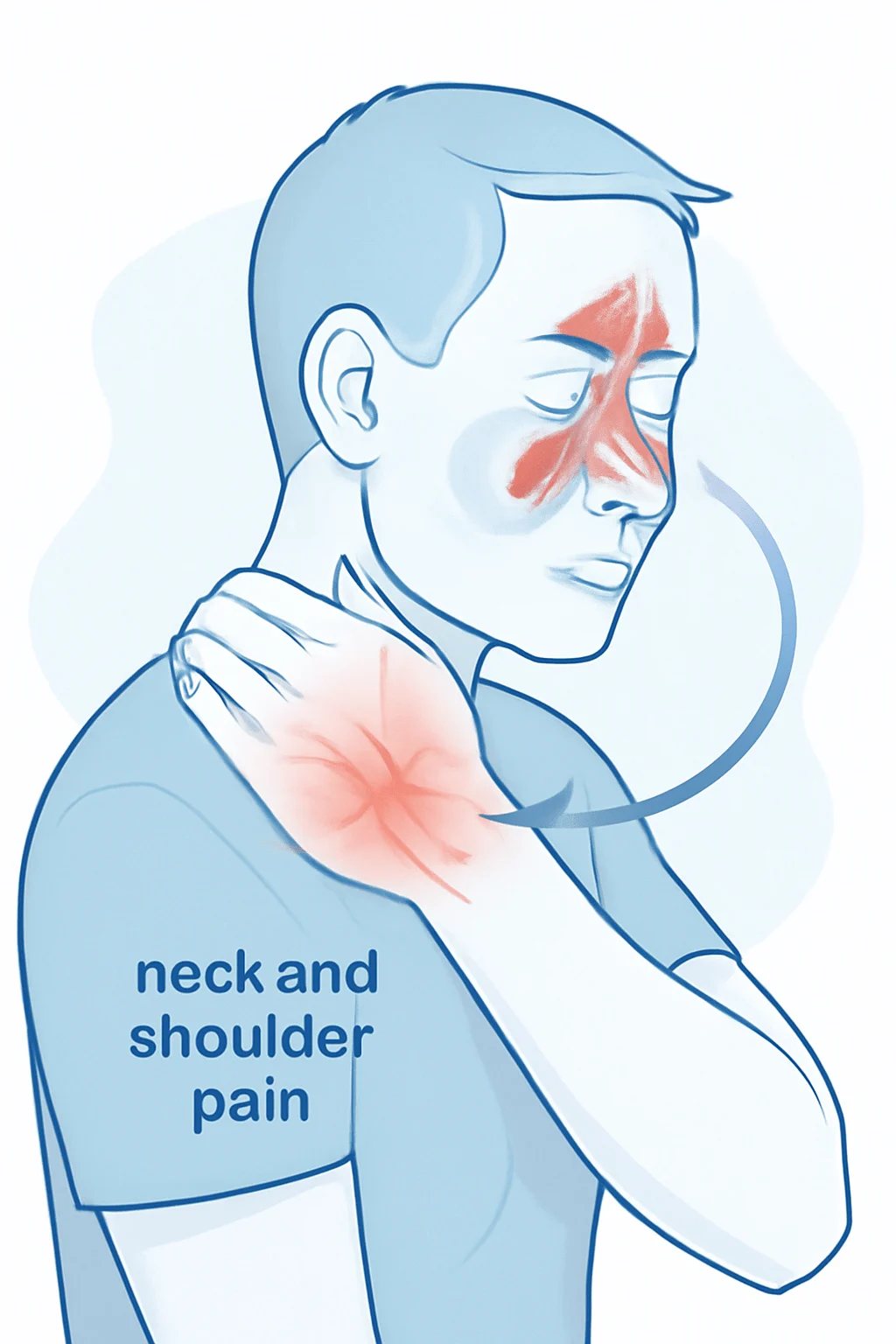
When your nose is chronically blocked—due to a deviated septum, sinusitis, allergies, or enlarged turbinates—your brain and body are forced to rely on mouth breathing.
This disrupts the balance between oxygen (O₂) and carbon dioxide (CO₂) levels in your bloodstream.
When CO₂ levels drop too much, it can trigger symptoms that mimic anxiety:
- Rapid heartbeat
- Shortness of breath
- Feeling of suffocation
- Chest tightness
- Restlessness or panic
This physiological imbalance activates the body’s fight-or-flight response, causing or worsening anxiety symptoms.
😴 Night-Time Nasal Block = Sleep Anxiety
Blocked nasal passages during sleep lead to:
- Poor oxygenation
- Mouth breathing
- Interrupted sleep or mild sleep apnea episodes
Which in turn causes:
- Waking up anxious or startled
- Daytime fatigue (which worsens mental health)
- A constant sense of unease or that “wired but tired” feeling
🔄 Vicious Cycle: Anxiety ↔️ Nasal Blockage
Anxiety also worsens nasal symptoms:
- Stress increases histamine release → worsening nasal allergies
- Shallow breathing reinforces mouth-breathing habits
- Anxiety causes jaw tension and poor posture, which can further compress nasal airways
So it becomes a loop: Blocked nose → poor breathing → anxiety → worsened blockage → more anxiety
🛑 Don’t Ignore These Symptoms:
If you experience:
- Constant need to breathe through your mouth
- Feeling breathless despite normal oxygen levels
- Panic attacks with no clear triggers
- Waking up anxious, tired, or irritable
- Frequent headaches or facial pressure
…it’s time to get your nasal health assessed.
👨⚕️ When to See an ENT Specialist
An ENT evaluation can help diagnose if you have:
- Deviated nasal septum
- Chronic sinusitis
- Enlarged adenoids or turbinates
- Allergic rhinitis
We offer endoscopic nasal evaluation and minimally invasive treatments, including scarless sinus surgeries that can:
- Improve nasal airflow
- Reduce anxiety-like symptoms
- Enhance sleep and overall wellbeing
🌿 Home Remedies That May Help
- Steam inhalation with eucalyptus oil
- Nasal saline irrigation (twice daily)
- Avoid cold foods and known allergens
- Practice breath retraining (e.g., Buteyko method)
- Sleep on your side—not on your back—to prevent airway collapse
📍 Book a Nasal Health Check
If you're experiencing anxiety and suspect your nose is blocked, it’s not “just in your head”—it might be in your nose.
Frequently asked questions
Can a stuffy nose cause panic attacks? A blocked nose can create a feeling of air hunger that some people find frightening, and it may set off panic in those prone to it.
Does treating nasal blockage help anxiety? For some people, easier nasal breathing and better sleep reduce the physical symptoms, but anxiety often needs its own treatment as well.
When should I get urgent help? Chest pain, fainting or severe breathlessness need emergency care. Anxiety that affects daily life should be discussed with a doctor or counsellor.
Related reading: Why do I wake up tired every morning? · How do I get rid of brain fog at work?
General patient education. An individual consultation is needed to assess your symptoms and treatment options.